Dependable Fence Replacement Solutions for Every Budget
Trustworthy fence replacement options are critical for homeowners seeking to enhance their property. With a wide range of selections accessible, from affordable chain link to refined wooden structures, there is a solution fitting every financial plan. Identifying specific preferences, such as privacy and aesthetics, is important in this process. However, selecting the right contractor and materials can be overwhelming. What factors should be considered to guarantee a satisfying outcome?
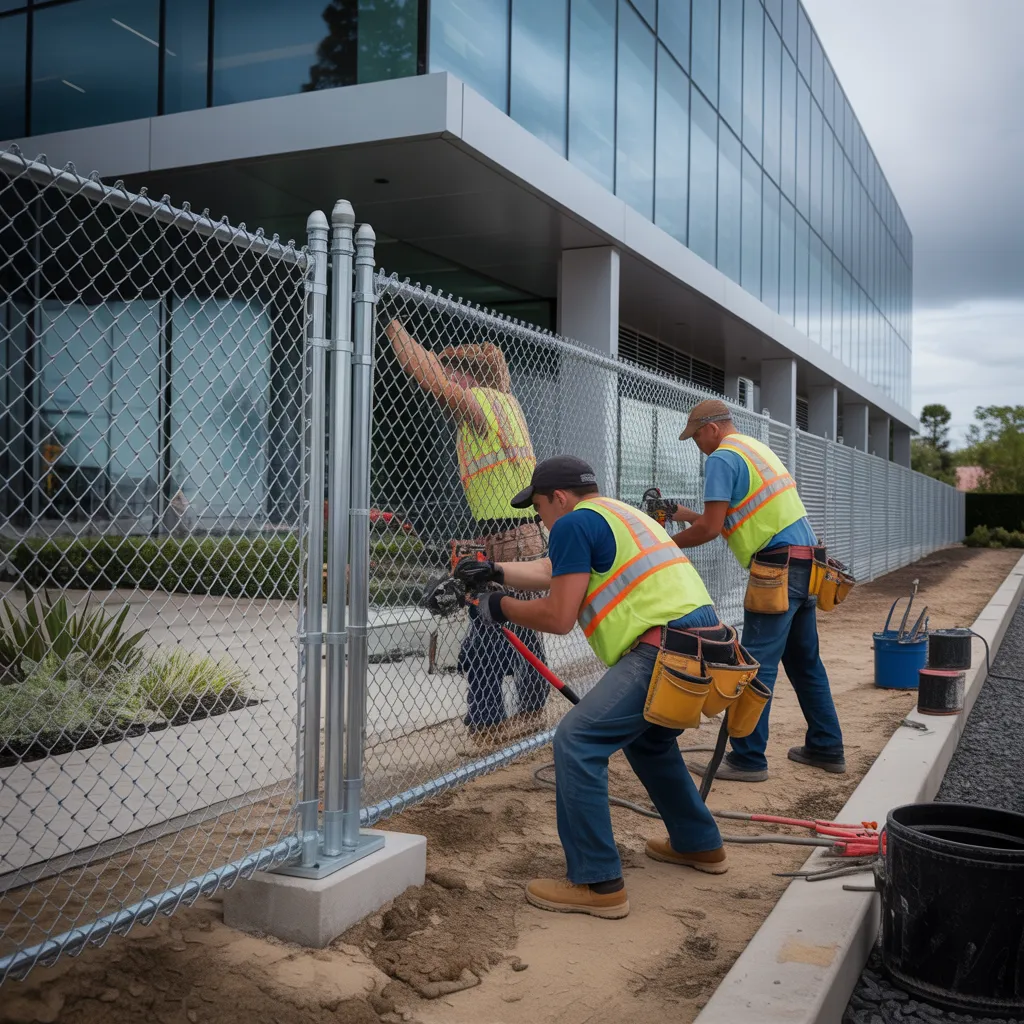
How to Choose the Right Fence for Your Property
When considering the right fence choice for a property, one should carefully consider several key factors that impact the decision. The primary considerations include the purpose of the fence, including privacy, security, or curb appeal. Additionally, the local climate plays a significant role; fencing materials must endure local weather conditions to ensure durability. Local property boundaries and zoning laws should also be examined to eliminate the risk of disagreements with neighboring residents.
Another important factor is maintenance; not all materials require the same level of attention. Homeowners should consider their willingness to commit time and resources to fence maintenance. Finally, personal style preferences should align with the property's architectural design. By weighing these considerations, property owners can arrive at thoughtful decisions that elevate their space while satisfying their particular needs.
Cost-Effective Fence Choices: Materials and Styles
When considering fence replacement, cost-effective choices can provide both value and aesthetic appeal. Various materials, such as vinyl and chain link, offer affordable solutions without compromising on durability. Additionally, diverse design possibilities allow homeowners to reach their aesthetic goals while keeping costs manageable.
Budget-Friendly Material Options
Affordable material options for fencing can markedly impact both the budget and aesthetic appeal of a property. Common options include chain link, which delivers durability at a reduced cost, and vinyl, recognized for its minimal upkeep and long lifespan. Timber fences, notably pressure-treated pine, offer a classic look and can be economical if sourced locally. Composite materials, while somewhat more expensive, blend the appearance of wood with improved longevity, making them a valuable choice. Furthermore, bamboo is an sustainable choice that can lend a one-of-a-kind appeal to outdoor areas. Each option provides specific advantages, enabling homeowners to choose options that align with their monetary limitations while enhancing their home's aesthetic appeal.
Flexible Design Choices
Selecting the best materials for a fence not only influences your finances but also unlocks various aesthetic choices. Property owners can choose from a variety of budget-friendly options, such as vinyl, wood, or chain-link fences, each providing distinct aesthetic qualities. For instance, vinyl can resemble the look of natural wood while needing less upkeep, while a chain-link fence is perfect for an clear, unobstructed view. Additionally, wood can be colored or finished to suit any property, offering flexibility. Options like split rail or picket designs can enhance curb appeal without straining your budget. By thoroughly reviewing these materials and styles, property owners can establish a visually appealing fence that enhances their landscape while respecting spending limits.
Factors That Ensure Long-Lasting Durability
Although various materials offer distinct aesthetic qualities, their durability greatly impacts the longevity and maintenance of budget-friendly fencing options. Wooden fencing, despite being valued for its classic aesthetic, may experience deterioration and insect infestation if left untreated. Vinyl fencing provides a stronger substitute, preventing weathering and fracturing, even if the starting investment is steeper. Chain-link fences provide durability at a lower price point but lack privacy and aesthetic appeal. Metal varieties including aluminum remain light in weight and corrosion-resistant, making them well-suited for a range of environments. In the end, choosing a material that harmonizes affordability with resilience is critical for guaranteeing that cost-aware homeowners benefit from a dependable fence that endures over time with little upkeep required.
Important Qualities to Seek in Fence Replacement Services
When evaluating fence replacement services, what essential qualities should homeowners prioritize? To begin with, experience and expertise are crucial; reputable companies frequently have the capabilities required to manage different fence styles and installation complexities. Additionally, a reputable service should provide transparent communication, ensuring clients are informed throughout the process.
Material quality is another crucial aspect, as they directly impact the longevity and appearance of the fence. Homeowners are encouraged to prioritize services that include warranties, reflecting confidence in their workmanship and materials. Customer reviews and testimonials can provide insights into the trustworthiness and quality of the service, assisting homeowners in choosing the right service provider.
Lastly, design flexibility enables homeowners to select styles that match their individual preferences and home aesthetics. By prioritizing these key attributes, homeowners can choose a fence replacement provider that fulfills their goals and expectations in a reliable manner.
Price Breakdown: DIY vs. Hiring a Professional for Fence Replacement
When thinking about replacing a fence, homeowners often weigh the expenses of DIY work versus professional services. A detailed breakdown of DIY costs uncovers the price of materials, equipment, and unexpected charges, while professional options encompass workforce and specialized experience. Grasping these monetary considerations is critical for making an informed decision.
DIY Cost Analysis
Many homeowners contemplate the costs involved in replacing a fence, comparing the advantages of doing it themselves versus hiring professionals. The typical costs of a DIY fence replacement encompass materials, tools, and potential permit fees. Fencing materials including wood, vinyl, or chain-link tend to vary widely in cost, with wood generally being the most affordable read the information option. Property owners should also factor in tool expenses—buying or renting the required tools can contribute to the overall budget. Furthermore, although labor is not an immediate expense in a DIY undertaking, the time commitment must be considered, as it can be significant. Unanticipated issues, such as rough terrain or inclement weather, may also strain the budget, making a comprehensive financial assessment necessary prior to starting a DIY project.
Expert Service Costs
Homeowners evaluating the DIY approach commonly find themselves assessing the costs associated with expert fence installation services. Generally, enlisting professionals involves labor costs of $30 to $50 hourly, depending on the region and complexity of the project. Materials may also contribute substantially to the overall expense, with experts frequently selecting superior materials compared to DIYers. Additionally, professionals often include warranties and guarantees, providing long-term value and peace of mind. While DIY projects might initially seem cheaper, hidden costs such as tools, time, and potential mistakes can quickly add up. As a result, for homeowners focused on quality and effectiveness, expert services may turn out to be a valuable investment over time.
Breaking Down Fence Replacement Costs
What factors determine the price of fence replacement? A number of considerations impact the overall price of this project. First and foremost, the choice of material—wood, vinyl, chain-link, or wrought iron—greatly influences pricing. Each material varies in durability, aesthetic appeal, and cost. Additionally, the total area to be fenced has a direct bearing on the total cost; more extensive properties demand more materials and labor.
Furthermore, local labor costs and installation complexity can influence the final price. For example, uneven terrain or the need for permits may lead to increased labor costs. Homeowners should also consider any additional features, such as gates or decorative elements. Pricing can also be influenced by seasonal demand, as contractors tend to charge higher rates during busy periods. Understanding these variables is essential for homeowners to budget effectively and make informed decisions regarding their fence replacement project.
Guidelines for Choosing the Top Fence Replacement Contractor
Upon initiating a fence installation project, what criteria should one consider when hiring a contractor? First and foremost, it is crucial to confirm the contractor's qualifications, including licensing and insurance. This secures conformity with local guidelines and protects the homeowner from liability. Additionally, assessing prior work and collecting references can provide insight into the contractor's reliability and quality of craftsmanship.
In addition, gathering several quotes allows for a clearer understanding of prevailing rates and helps identify any potential red flags. Communication is also important; a service provider should be responsive, clear about their procedures, and willing to answer questions. In addition, browsing customer reviews can highlight past customer feedback and contentment. Finally, a reputable contractor will extend a warranty covering their labor, demonstrating confidence in their services. By considering these factors, property owners can come to a thoughtful determination and find a service provider suited to their goals and budget.
Answers to Your Most Common Questions
What Is the Typical Duration of a Fence Replacement Project?
A standard fence installation project usually spans one or two weeks, influenced by considerations including the total area involved, type of materials used, and weather conditions affecting the installation process.
What Permits Are Required for Fence Replacement?
In most cases, permits for fence replacement differ depending on location but commonly include zoning and building permits. Homeowners are advised to consult local regulations to ensure they remain compliant, as requirements may vary significantly between governing municipalities and homeowner associations.
Am I Allowed to Install a Fence on My Own Property Line?
Certainly, a homeowner may install a fence on their own lot line, as long as they comply with local regulations and zoning laws. It is recommended to verify property boundaries and communicate with adjoining neighbors to minimize the risk of disagreements.
What Upkeep Is Required After Fence Installation?
Regular maintenance after fence installation involves checking for signs of damage, cleaning the fence surfaces, adding protective coatings such as stains or sealants, fastening loose fixtures and hardware, and making sure vegetation does not encroach. Consistent upkeep extends the fence's lifespan and preserves its appearance.
Are There Warranties Available for Fence Materials and Installation?
Numerous fence fencing options and installations come with guarantees, which vary by installer and manufacturer. Typically, warranties cover material defects and performance standards, providing assurance that customers are given coverage for problems that could occur after installation, enhancing investment security and overall satisfaction.